Good, Bad, and Grainy: King Arthur's Measure-for-Measure Gluten-Free Flour
January 30, 2026
A comprehensive review of King Arthur’s Measure-for-Measure Gluten-Free Flour, exploring its 1:1 substitution ease, mild flavor, nutritional boosts, texture quirks, baking performance, packaging, and value to help gluten-free bakers make informed choices.
Good, Bad, and Grainy: King Arthur’s Measure-for-Measure Gluten-Free Flour
The lowdown on a gluten-free stand-in that nearly nails the all-purpose vibe—with a few sticky spots.
A Little Context Before the Batter
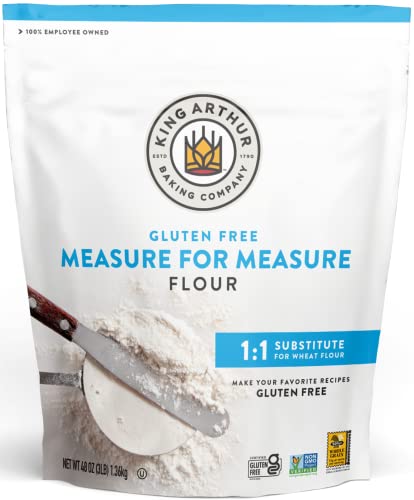
King Arthur has been around since the late 1700s, and these days they’re an employee-owned, B-Corp-certified outfit committed to baking quality—and doing business with a heart. Their Measure-for-Measure Gluten-Free Flour carries the GFCO gluten-free certification, so it’s held to strict safety and testing standards. Plus, it’s fortified with iron, calcium, and B-vitamins, which is more than most rice-based gluten-free blends can claim. If you want a gluten-free flour that tries to go beyond just “fluff and starch,” this one’s throwing in some nutrition points.
Performance Highlights
Strengths
-
True 1:1 substitute: No messing around with extra gums or measuring weird starches. You just swap it cup for cup with your usual all-purpose flour in non-yeasted recipes. That’s a major time-saver and sanity-saver, especially if you’re juggling family snacks or last-minute pancakes.
-
Fair-to-mild flavor: It doesn’t throw a spotlight on itself with funky aftertastes. This blend plays nice with vanilla, citrus zest, chocolate chips—you name it. Baking should taste like your recipe, not your flour.
-
Texture that mostly works: When you hit the sweet spot, muffins and cakes come out soft with a tender crumb. Cookies have decent edges, and frying chicken? The dredge crisps up nicely and holds its crunch without falling apart.
-
Nutritional boost: With iron, calcium, B-vitamins, and 12 grams of whole grains per serving, it’s adding a touch of wholesomeness that many gluten-free flours skip altogether. It’s no magic potion, but it helps cover some nutritional blind spots.
Considerations
-
Texture can get grainy: Delicate cakes or super-fine pastries may reveal a mealy, slightly grainy texture that doesn’t fully vanish. This won’t kill most recipes, but it’s noticeable if you’re after a perfect, silky crumb.
-
No good for yeasted breads: This flour does not stand up to yeast-heavy batters. Expect dense, crumbly disappointments if you try rolls, sandwich loaves, or pizza crusts. Stick to quick breads and baked goods without yeast.
-
Moisture management is tricky: Cupcakes and muffins have a tendency to dry out if you overshoot baking time by even a minute or two. Pull them out a touch early and keep an eye on them.
-
Packaging could be easier: The resealable 3-pound bag is handy but the zipper strip is thin and can tear when scooping flour with metal cups. You’ll likely want a sturdier storage container to avoid spills and moisture getting in.
-
Premium price tag: This isn’t an off-brand bargain bin flour. Serious bakers going through a lot will feel it in their wallets. Casual bakers who don’t bake gluten-free daily might want to buy smaller bags or less expensive options.
Why This Blend Stands Out
Most gluten-free mixes play it safe with plain rice flours and starches, but King Arthur throws in a well-tested combination including rice and tapioca starch with some quality control muscle behind it. The fortification with iron, calcium, and B-vitamins is a thoughtful touch for anyone serious about a balanced gluten-free diet, especially if you’re baking often for kiddos or health-conscious folks.
Storage Tips to Keep It Fresh
Keep the flour in a cool, dry spot away from sunlight, and once opened, stick it in the fridge or freezer to maintain peak freshness. The zip-lock bag is good in theory, but it’s delicate—best to transfer to an airtight container if you don’t want flour everywhere or worry about moisture sneaking in. Oh, and always measure with dry cups or spoons to keep clumping at bay.
Should You Grab a Bag?
If you bake gluten-free regularly and want a straightforward, drop-in flour that delivers good flavor and texture in cookies, cakes, muffins, pancakes, and frying dredges, this blend is solid. Just don’t expect it to tackle your favorite sourdough or yeasted hamburger buns—they’re out of its league.
Its slight graininess in fine pastries and tendency toward dryness in baked goods means you’ll need to adjust your expectations a bit, but the overall ease-of-use and nutritional perks often justify the price premium. For gluten-free beginners or weekend bakers hunting for fuss-free switches, this flour cuts down the complexity without turning your kitchen into a chemistry lab.
If you’re only baking gluten-free occasionally or watching your budget, keep one bag for reliable recipes and grab less expensive brands for experimentation.
All in all, King Arthur’s Measure-for-Measure Gluten-Free Flour isn’t perfect, but it’s a dependable ally for the gluten-free baker who values convenience and quality without hiding the fact that gluten-free baking sometimes requires a little extra patience.