STICKGOO 10-Sheet Warm White Subway Tiles Peel and Stick Backsplash: Practical Look, But Handle with Care
January 13, 2026
Discover the pros and cons of STICKGOO’s Warm White Peel-and-Stick Subway Tiles for quick kitchen or bathroom upgrades. Learn about installation tips, durability challenges, and cleaning guidance to decide if these vinyl tiles are right for your DIY project.
STICKGOO 10-Sheet Warm White Subway Tiles Peel and Stick Backsplash: Practical Look, But Handle with Care
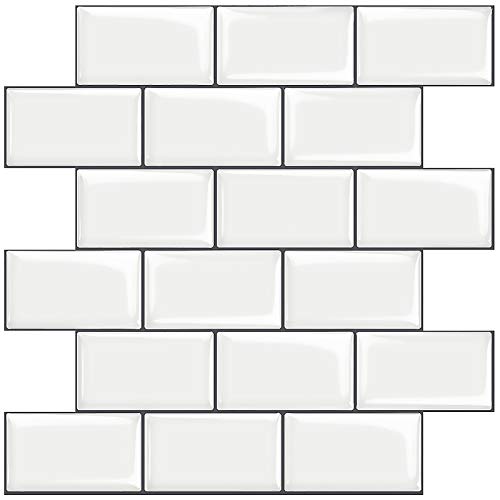
Peel-and-stick backsplash tiles like these STICKGOO subway tiles serve as a quick kitchen or bathroom update without the usual mess of grouting or mortar. The pack includes 10 vinyl sheets, each measuring 12” by 12”, with a polished warm white finish featuring grey grout lines. With a thickness near 2.5 millimeters, these tiles are noticeably thicker than some thinner peel-and-stick options, which contributes to a sturdier feel and a slightly more convincing appearance.
What to Expect
Visually, these vinyl sheets aim for the classic subway tile look. The 3D effect is modest but present, thanks to the tile thickness and gloss. The warm white surface paired with grey grout lines fits well with neutral or contemporary kitchen styles. Each 12” x 12” sheet covers just under one square foot, and the pack covers about 8.8 square feet overall. Compared to standard 10” x 10” peel-and-stick tiles, this 40% larger coverage means fewer sheets are needed for the same space. The square edges maintain a clean, defined pattern rather than the slightly rounded look common in other peel-and-stick options.
According to the product details, the vinyl material is waterproof and heat-resistant, making these tiles theoretically suitable for kitchen backsplashes, bathroom walls, and even behind stoves. The product literature suggests the adhesive can handle some lightly textured surfaces, which may open installation possibilities beyond perfectly smooth walls.
Installation and Adhesion Notes
Applications should ideally be done on clean, dry, and flat walls. Preparation with an alcohol-based cleaner or degreaser is recommended to ensure the best adhesion. The grout lines printed on only run one way, limiting how tiles can be rotated after cutting.
The adhesive backing is strong and offers a firm initial grip. However, this strength comes at a cost: once stuck, repositioning tiles is generally not feasible. Misaligned tiles may lose adhesive strength or suffer damage when peeled off, potentially leading to wasted materials. The paper backing can also be tricky—some users report it tears easily, forcing careful peeling or even scoring with a utility knife to remove the liner cleanly without harming the tile.
A roller tool or firm hand pressure on seams and edges may help reduce curling risks, though seam lifting remains a frequent complaint. The edges, especially at corners or transitions, may lift a few days or weeks after installation, often in areas where humidity or temperature shifts occur. This can require periodic re-gluing or maintenance for a flush look.
Damage to underlying paint is another consideration. Removing any adhered tile may peel paint off, which makes these less suitable for renters or those planning to remove the backsplash later.
Cleaning & Color Consistency
While the polished vinyl surface can generally be wiped clean with a damp microfiber cloth, some users find that lint, sponge fibers, or smudges tend to cling to it. Abrasive cleaning tools are not advised as they may scratch the finish. Color consistency between batches may also vary slightly, with some tiles ranging from warmer white tones to cooler white, and grout shade depth varying as well. Mixing packs from different production runs might result in visible shade differences.
Who Might Find These Tiles Useful
These peel-and-stick tiles suit small-scale kitchen or bathroom refreshes for those with flat, grease-free walls and stable indoor conditions. They provide a lightweight, no-mess alternative to traditional tiling for DIY projects where professional installation is not desired. The product is better suited for homeowners or tenants who don’t mind careful alignment and can accept possible maintenance to keep corners and seams flat. They also appeal to those who want a quick aesthetic upgrade without committing to a permanent alteration.
When to Consider Other Options
Avoid these tiles if the installation surface is rough, heavily textured, or not fully clean and dry, as adhesion and edge lifting risks increase substantially. They are also a poor choice for humid or wet environments demanding a watertight finish; real tile and grout remain the more durable and reliable solution in those cases. Renters or anyone requiring damage-free removability should be cautious, as paint damage upon removal is common. Finally, if repeated repositioning is needed during installation, or if zero touch-up maintenance is preferred, other products might be more suitable.
In brief, STICKGOO’s Warm White Subway Peel-and-Stick Tiles deliver a tidy, visually pleasing fake subway tile look with solid coverage and a polished finish. The thick vinyl and strong adhesive contribute to a fairly durable installation provided that surfaces are prepped well and tiles are aligned with precision, as peel-backs are risky and often damage tiles. While the product can handle typical kitchen conditions to a degree, seam lifting and cleaning challenges mean it’s not a perfect stand-in for ceramic tile in demanding spots. This product can be a budget-friendly, fast option for those ready to accept these trade-offs and prepared to do some seam care after installation. For anyone seeking a foolproof, maintenance-free, or perfectly waterproof backsplash, exploring other materials is advised.