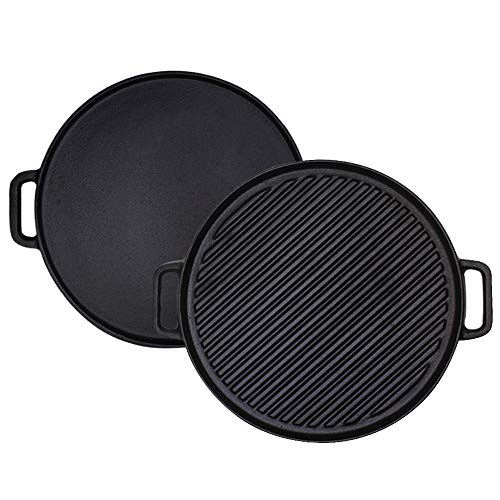
The Reversible Cast Iron Griddle: Jack of All Trades—with a Few Tricks Up Its Sleeve
January 05, 2026
An in-depth review of a reversible cast iron griddle that promises versatility for urban kitchen enthusiasts. Explore its dual-surface design, unique challenges, and the rewarding DIY process of seasoning and maintenance, perfect for small NYC kitchens and adventurous home cooks.
The Reversible Cast Iron Griddle: Jack of All Trades—with a Few Tricks Up Its Sleeve
If city kitchens had mascots, the reversible cast iron grill/griddle would be a strong contender—especially when every square inch counts and you want something sturdy enough to handle brunch, burgers, or the odd backyard steak (if you’re lucky enough to have even a tiny balcony). The double-sided schtick is clever: one smooth, one ribbed, and both sides trying their best to look much fancier than their price tag. But let’s skip the sales pitch and talk turkey (and pancakes, literally)—because buying this isn’t as straightforward as picking up a new spatula.
What’s the Big Idea Here?
Let’s paint the picture: you’re one of those cooks who likes to hop between breakfast, Korean BBQ, and the occasional “let’s try to make dosa” weekend. On paper, this griddle wants to be your multipurpose MVP. Flip it for flat cooking, reverse it for grill marks. Supposed to work over gas, electric, ceramic, induction, outdoor flames—heck, slap it on an open fire if you like living dangerously. Great for maximizing space and experimenting, which is the dream for small NYC kitchens.
Looks, Feels, and the Stuff You’ll Actually Notice
Right out of the box, this griddle feels the way cast iron is supposed to: hefty, reassuringly old-school, with double handles for a vaguely gladiatorial flair. It’s about the size you want—a little over a square foot—so it’ll fit on most stovetops and maybe even an ambitious toaster oven.
But here’s the kicker: you’re not exactly getting the seasoned perfection you see on all those influencer “first-use” videos. The factory finish is rough, almost gravelly, and if you’re used to slick, premium cast iron, it might make you squint. Pitting and uneven casting are real concerns. Basically, you’ll want to sand and do your own seasoning before you test your pancakes—otherwise they’ll stick like bad office gossip.
The other flaw is that helpful-looking lip around the edges. It’s great if you hate dripping bacon grease. Not great if your burners can’t handle the extra height; suddenly, your once-“sturdy” griddle might rock more than you’d like, especially on older or poorly designed stoves. Flat isn’t always a guarantee with this thing.
Showtime: Cooking and Heating
The reason to go cast iron is heat retention. Here, performance is mostly solid. Once it heats up, it stays hot—good news for any city dweller who’s tired of chasing hot spots on cheap pans. Pancakes get an even downside, steaks can pick up real grill lines, and if you want to try flipping naan or pizza, be my guest.
But—and this is a big but—don’t get ambitious with preheating. Instructions floating around say 30 minutes to get it hot? No, thank you. If you run this dry for too long (especially on electric burners), you’re risking a hairline crack that’ll split your alleged heirloom right down the middle. This isn’t grandma’s cast iron skillet; it’s thinner by comparison, and not as forgiving.
Real-Life Use: Handle With Care (and Grip Strength)
Double handles sound ergonomic; in reality, they’re on the petite side. If mitts are your kitchen style, you might want to keep a yoga mat nearby for finger stretches. And the weight—about 7.5 pounds—seems manageable until you’re rotating piping-hot breakfast for a crowd. Expect to juggle a bit if you’re moving it on and off the heat, and definitely don’t try this one-handed. It’s as heavy as it looks—apartment-friendly, but only if you’re feeling brawny.
If you’ve got a gas stove with weird grates or finite burner space, prepare for some trial and error to get it sitting right. Anything less than level, and your eggs will make a break for the border. This is a tool for people who like a little tinkering in their routine.
The Cast Iron Tax: Cleaning and Upkeep
Cast iron fans are a loyal bunch, but let’s not kid ourselves—maintenance takes time. Officially, it’s “pre-seasoned,” but expect to do your own oil-and-bake cycle (at least once) to keep food from fusing to the metal. The rougher the initial surface, the more work you’ll need to get that desired slickness.
After each use, it’s the usual regimen: hot water, dry while still warm, rub with a little oil, cross your fingers. With a patchy finish, sticking can still happen even after you’ve seasoned. There’s a real risk of constantly chasing “the perfect nonstick” finish and spending more hours than you planned on steel wool duty. If that sounds exhausting—because honestly, it is—think hard before diving in.
Buyers Beware: The Blemishes You Can’t Ignore
Let’s cut to the chase—this is not premium, hand-me-down cookware. Surface quality is frequently sub-par. Don’t expect every piece to be smooth or perfectly cast; there are enough reports of pits, gritty edges, and the need for sanding that it’s clear this is a roll of the dice.
More concerning is the cracking scenario. There have been enough cracks after long preheats and rough treatment that you should tread carefully, especially on electric stoves. If yours goes, that’s basically money down the drain.
And the design—again with that lip!—can get in the way on certain stoves, prompting spill risks or awkward balancing acts. If you want something that just works, look elsewhere. If you want a fun project, this might be up your alley, but don’t say you weren’t warned.
Should You Bother?
Here’s the verdict: the reversible cast iron griddle is fun and versatile if you like the process of transforming a rough hunk of metal into a trusty kitchen sidekick. If you crave flawless finishes, demand bulletproof reliability, or just don’t have the patience for tinkering, this is likely going to let you down.
For city-dwelling grill fanatics and home cooks who love a challenge, it’s good value—just be clear about the flaws and your willingness to put in the work. For those unwilling to sand, season, and fuss, there are smoother, less dramatic options out there for turning up the heat.
In short: this griddle is a wildcard—more fixer-upper than fire-and-forget. Get it if you’re game for a little extra elbow grease; skip it if you’re searching for plug-and-play perfection.