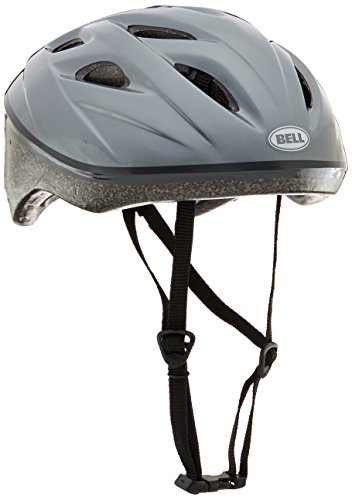
Bell Reflex Bike Helmet: A Thrifty Pick with Vent Woes and Strap Tantrums
February 02, 2026
The Bell Reflex Bike Helmet offers CPSC approval and a feather-light feel at a budget price, but struggles with poor ventilation, finicky straps, minimal padding, and a narrow fit.
Bell Reflex Bike Helmet: A Thrifty Pick with Vent Woes and Strap Tantrums
A CPSC-approved lid that claims comfort and airflow—but does it hold up when the straps stage a revolt and the vents go silent?
A CPSC-approved lid that claims comfort and airflow—but does it hold up when the straps stage a revolt and the vents go silent?
Why Helmets Matter Beyond Compliance
Safety gear is only as good as its weakest link. Sure, the Bell Reflex ticks the CPSC checkbox—legal and ready for anyone five and up—but real-world performance is a different beast. Polycarbonate shell? Check. EPS foam liner? Check. Eleven vents? Check. But piecing them together so they actually protect and never annoy? That’s where the Reflex wobbles. Bike lanes across the city deliver enough surprises; your helmet shouldn’t be one.
Venting Reality Check
Eleven holes punching through the shell sound promising, but here’s the catch: airflow depends on gap space between shell and scalp. Cinch the straps tight enough to stop the helmet from tipping, and those vents press flat against your head. Result:
- Instant bake mode on the crown: you could fry an egg on your forehead.
- Sweat collecting at the temples and sneaking behind the liner.
- Zero moisture control: liner fabric soaks up drips and holds them.
If your ideal ride isn’t the feeling of a hot sauna pressed to your skull, you’ll spot this shortcoming fast.
Strap System: Side-Squeeze or Side-Slip?
The so-called side-squeeze buckle is supposed to be intuitive, but it ends up the opposite. Long, floppy strap ends don’t tuck or clip down, so you spend more time wrestling them than enjoying the road. Highlights:
- Loose ends drift under your chin or into your mouth.
- No dial adjuster at the back—just that buckle.
- Strap tension shifts with every head turn, so tightening feels like a losing battle.
Plan to pause mid-ride for readjustments, or accept a flopping lid.
Size and Fit: One Size to Rule a Few
Labeled “one size fits most” for heads from 57–60 cm, the Reflex truly only fits a narrow band:
- 57–60 cm: Hugged just tight enough—until the straps start their slide show.
- Under 57 cm: Feels like a vice on your temples, no room for even a thin skullcap.
- Over 60 cm: Ride around with a helmet that slides forward or backward at random.
Without an internal dial, every nod, gape or gust can twist it off-center.
Padding and Comfort: Foam Flaws
Comfort takes a backseat here:
- Thin EPS liner offers minimal cushion—expect every cobblestone to announce itself.
- No moisture-wicking pads. After a few sweaty spins, that foam turns into a soggy sponge.
- Removable liners? Absolutely not—what you get is what stays.
Overnight between rides, perspiration soaks into the foam and lingers. One whiff and you’ll wish you’d bought an extra pad elsewhere.
Weight and Form: Feather Light, Kind of Fight
At just a pound on the scale, the Reflex almost disappears once strapped on:
Pros: - Barely noticeable on Sunday morning cruises. - Low-profile matte shell looks tidy under sunglasses.
Cons: - Ultra-thin materials make it feel fragile. - Minimal padding means more jostle on bumpy stretches. - Occasional creaks when you give it a twist.
It wins on weight, but loses points on substance.
Value vs. Quality: Pennies Saved, Pennies Spent
The Reflex’s price tag is its biggest lure—budget friendly enough to snag on a whim. Reality check:
- Strap frustration appears in the first week, tempting you to upgrade just to stop the annoyance.
- Vent performance drops when you tighten the fit, so summer comfort isn’t guaranteed.
- A one-year limited warranty sounds nice until you realize wear and tear begins Day One.
You might save ten bucks now, only to splurge fifty later on a helmet that actually behaves.
Hidden Features: What’s Missing
Bell pared this down to basics and forgot to reinvent them:
- No visor to shield low-angle sun or rain.
- Zero reflectors or light mounts for dawn and dusk runs.
- No bug mesh in the vents—hello, summer swarm.
- No quick-release liner for washing out funk.
Current budget models often include at least two of these. Here, you get nada.
Who Should Swipe Right (and Who Should Swipe Left)
Swipe right if you: - Rock a head size smack in 57–60 cm. - Need a spare lid for casual errands. - Don’t mind mid-ride strap babysitting. - Only commit to short, one-hour spins.
Swipe left if you: - Fall outside that narrow head-size window. - Expect a set-and-forget fit. - Log multi-hour rides and need real airflow. - Crave extras—visors, reflectivity, washable liners.
Final Thoughts: Snag It or Scrap It?
The Bell Reflex Bike Helmet is essentially a no-frills, garage-sale hero: light-as-air, meets CPSC rules, and costs less than many fancier lids. But strap drama, marginal ventilation and paper-thin padding turn it into a gamble for daily commuters or serious weekend warriors. If you need a backup helmet or your rides are strictly short and casual, it’ll work in a pinch. If you demand consistent fit, decent airflow, and padding you can actually wash, spend the extra few bucks and grab something built to eliminate headaches—literally and figuratively.