Deep Dive into ANYCUBIC's PLA Filament Bundle: A Candid Exploration
January 06, 2026
An in-depth review of ANYCUBIC’s PLA Filament Bundle that examines its precision, performance, and potential pitfalls. Discover detailed insights on print accuracy, spool design, and real-world challenges for both novice and professional 3D printing enthusiasts.
Deep Dive into ANYCUBIC’s PLA Filament Bundle: A Candid Exploration
A no-holds-barred look at the strengths and pitfalls behind ANYCUBIC’s 1.75mm PLA filament bundle – everything you need to know before you print.
Introduction & Overview
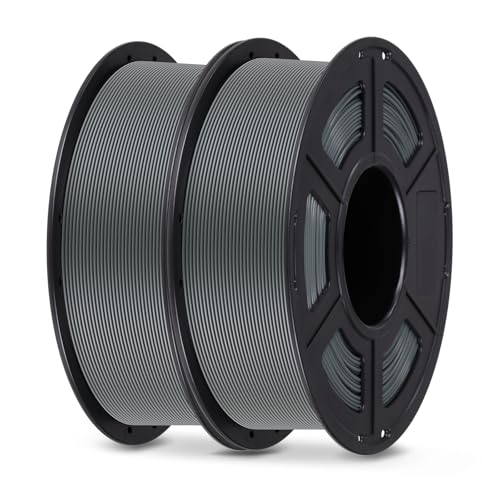
In the bustling world of 3D printing, finding a filament that promises both precision and reliability is like nailing a perfect 3D print on the first try. ANYCUBIC’s PLA Filament Bundle steps into the arena with bold claims centered around exceptional dimensional accuracy (+/- 0.02mm) and hassle-free performance. Packaged as a bundle containing two 1kg spools of PLA in a deep gray, this product is designed for those who want both clean prints and an eco-friendly material derived from renewable plant sources.
But before you hit the print button, it’s time to dig deeper – beyond catchy slogans and dazzling product features. In this article, we’re going to take an uncompromising look at EVERY detail, digging into what works and, more importantly, what doesn’t. Whether you’re a professional designer or a hobbyist who craves reliability, read on for a detailed breakdown of this ANYCUBIC offering.
Specifications & Design
One of the key selling points of this filament is its precision. Manufactured with a strict tolerance of +/- 0.02mm, its 1.75mm diameter is engineered for smooth, consistent outflow. When your prints depend on finely-tuned layers and even filament distribution, every micron matters. ANYCUBIC claims that this level of control helps avoid issues like intermittent feed or over/under extrusions that can disrupt print quality.
The design isn’t just about the filament’s size – the product also boasts a token commitment to user convenience. The filament comes neatly wound on a large spool, designed to minimize tangles and provide smooth machining. It’s pre-dried for 24 hours and vacuum sealed with desiccants, theoretically cutting down on moisture-related printing errors. And yes, it’s made from bio-derived Polylactic Acid that melts at lower temperatures, meaning you won’t need a heated bed to get things going. On paper, it sounds like a dream come true for hassle-free, crisp printing.
Print Performance and Precision
The promise of high dimensional accuracy translates into a filament that’s supposed to produce clean, crisp prints with excellent adhesion between layers. Happy proponents argue that the low shrinkage and stable dimensions result in reliable fusion between layers, ensuring good bridging and reducing the risk of shifting during long prints. For anyone who values the fidelity of fine details in prints – especially for intricate models – this is a major plus.
However, it isn’t all sunshine and rainbows. While the product’s homogeneous make-up and even outflow are frequently touted, a significant number of users have raised red flags regarding extruder performance. Cases of filament getting stuck, leading to extruder errors every few minutes, have been reported. In a high-stakes print, having the filament halt unexpectedly is not just inconvenient but could also lead to wasted time and material.
Ease of Use and Installation
The installation process, as described by ANYCUBIC’s guidelines, is straightforward: spool mounting, preheating the nozzle, diagonal tip cutting, and manual feeding until the filament melts through properly. The instructions emphasize the need for a preheated nozzle to fend off blockages, and while this is standard procedure with many filaments, it begs the question – why is there such a pressing need for this extra step? For many users, the hassle-free out-of-the-box experience is key. In this case, even though the spool is designed to feed smoothly, the reality might involve extra attention to avoid tangling and under-extruding issues.
One notable design feature is the larger spool inner diameter meant to promote consistent feeding. But beware: if the spool isn’t mounted correctly or if the cardboard packaging is deformed (as some have reported), you might have to transfer the filament to a more robust spool before use. This is a significant drawback if you depend on a seamless workflow under pressing deadlines.
Value for Money Considerations
Cost efficiency is one of the attractive aspects of the ANYCUBIC PLA bundle. For budget-conscious users, high-quality prints at a reasonable price tag hold great appeal. Many say the rich color and the promising engineering deliver a solid offering for the money spent. However, while the filament may be priced competitively, it’s important to factor in the potential extra labor involved in dealing with issues like filament tangling, clogged nozzles, and inconsistent adhesion. If you aren’t extra meticulous about preheating and spool setup, those cost savings can quickly turn into headaches when prints fail mid-project.
Furthermore, while the dark gray hue may offer an excellent contrast and bring out fine details in some prints, it may not satisfy designers looking for a spectrum of vibrant, multicolored options. For creative professionals who thrive on a variety of hues – especially when turning digital artworks into tangible 3D models using multicolor PLA – getting stuck with a monochrome palette might limit your creative scope.
Warning Signs and Potential Pitfalls
Now here’s where we get to the elephant in the room. Despite the many touted advantages, there are several red flags that prospective buyers must keep in mind:
-
Clogging and Extruder Issues: Yet again, while the language around smooth feed and minimal stringing is persuasive, there are enough voices out there reporting filament jams that occur every few minutes. Some users have seen their prints interrupted by repeated ‘filament stuck’ errors, which not only cause frustration but can also compromise longer, detailed projects.
-
Adhesion Woes: Layer adhesion is critical for producing robust prints, but there’s a notable number of reports warning of bed adhesion issues. If the filament isn’t sticking properly to the print bed, you might end up with prints that warp or even peel off, ruining the aesthetic finish and structural integrity of the final product.
-
Tangle Resistance Shortcomings: One of the supposed advantages of the spool design is to minimize tangling. Yet, many users have reported that the filament is prone to winding problems. This can lead to uneven feeding, which in turn creates inconsistencies in print quality – thicker layers here, thinner layers there, all disrupting the smooth completion of a project.
-
Packaging Quality: Do not underestimate the impact of a poorly designed spool or deformed packaging. Several buyers have encountered issues with the cardboard insert being too soft or deformed, forcing them to re-spool the filament before even starting their print job. This not only wastes time but also risks introducing imperfections if the filament is mishandled during the transfer.
-
Performance Variability Across Printers: Although ANYCUBIC filaments tend to work seamlessly with ANYCUBIC printers, compatibility with third-party machines or printers from other brands can be hit or miss. The performance might fluctuate depending on the printer’s temperature profiles or the specific extruder design. This is a critical point for those who work across multiple devices or who may upgrade hardware in the future.
Final Thoughts and Verdict
ANYCUBIC’s PLA Filament Bundle is a mixed bag. On one hand, it promises a high degree of dimensional accuracy, smooth printing results, and value for money – features that ordinarily would appeal to both entry-level users and professionals. Its eco-friendly nature and pre-dried, vacuum-sealed packaging add to its allure, making it a strong candidate in a competitive market.
However, don’t be fooled by the polished marketing language. The product is not without its pitfalls. Frequent reports of filament clogging, adhesion mishaps, and tangle issues cast a long shadow over its advertised reliability. If you’re planning to use this filament for critical projects where interruptions could be disastrous, you may want to consider whether the potential hassle is worth the cost savings.
For hobbyists and budget-conscious users who can tolerate a bit of extra tinkering – ensuring your printer is correctly preheated and taking the time to potentially re-spool a less-than-perfect roll – this product might serve you well. But if you’re a professional relying on consistent, high-quality output without tedious troubleshooting, it might be wise to look elsewhere. The devil is truly in the details: while the filament’s core specifications look excellent on paper, the real-world application reveals significant challenges.
In summary, ANYCUBIC’s PLA Filament Bundle offers an interesting proposition with its brilliant precision and value, but it requires a cautious approach. It’s ideal for those who are prepared to invest some extra attention into their 3D printing setups; otherwise, you might end up battling unexpected clogs, re-spooling mishaps, and adhesion issues that could bog down your creative workflow. Choose wisely – and if you decide to give it a whirl, be ready to fine-tune your setup to truly harness its potential.